Shelves Full of Regret: How Your Crew's Anime Collection Stopped Making Sense
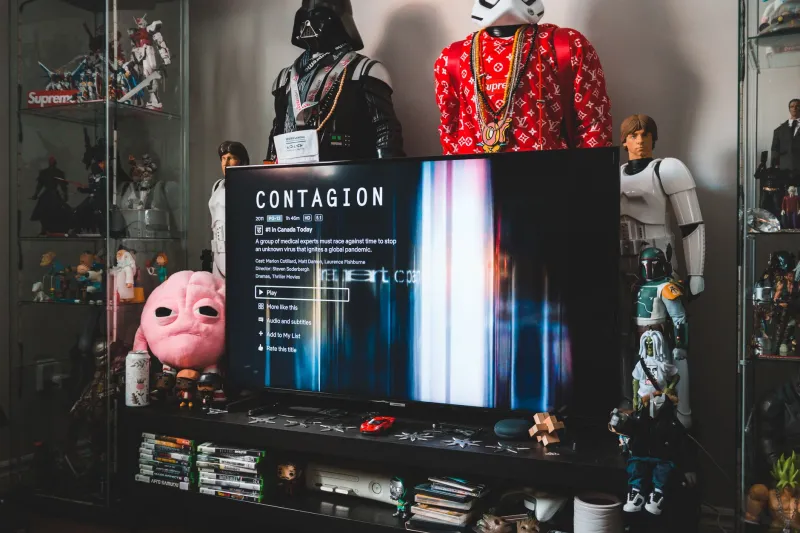
There's a very specific kind of silence that falls over a friend group when someone finally says it out loud. Maybe it's at a move-out party, or during a late-night Discord call, or when someone posts a photo of their packed-up apartment. The sentence usually sounds something like: "I don't know what I'm going to do with all this merch."
And just like that, everyone's thinking about their own shelves.
Anime merchandise was never supposed to feel complicated. You loved a show, you bought the figure, you displayed it with pride. But somewhere between your first apartment and your third job and the third time rent went up, the math stopped working. The collection didn't shrink — it just started carrying more weight than it used to.
The Golden Age of Buying Everything
If you came up in anime fandom during the mid-2010s, you probably remember the spending era. Crunchyroll's catalog was exploding, convention dealer rooms were getting bigger, and Funimation was releasing collector's editions that felt genuinely urgent to own. Your crew had a group chat specifically for alerting each other to restocks and flash sales.
Buying merch wasn't just consumption — it was participation. It was how you showed the group which series mattered to you. Someone would show up to a hangout with a new Nendoroid still in the box, and the whole room would react. It felt like sharing something real.
The problem is that era doesn't really end. It just slows down while the collection keeps accumulating.
The Unspoken Hierarchy of Displaying vs. Hiding
Here's something nobody says directly but everyone understands: there are merch rules. Unwritten, unspoken, but very much enforced by social pressure and the general vibe of adult life in the US.
Figures on a dedicated shelf in your living room? Respectable, maybe even impressive, as long as the shelf looks intentional. A single high-quality piece on your desk at work? Conversation starter. A stack of opened blind boxes still in a grocery bag on your bedroom floor? That one you keep off camera during video calls.
Friend groups develop their own internal standards too. In some crews, collecting is still very much the culture — people compare hauls, share unboxing content, and genuinely celebrate each other's acquisitions. In others, there's been a quiet shift where buying new merch feels slightly embarrassing to admit. Not because anyone said anything. Just because the energy changed.
That shift is almost always tied to money. When half the group is managing student loans, car payments, and the general financial chaos of being in your mid-to-late twenties in America, a $90 scale figure starts to look different. Not wrong, exactly. Just harder to defend.
The Collector Friend Problem
Every crew has at least one. The friend who never stopped going all-in — the one whose apartment looks like a curated museum, who actually tracks release dates and pre-orders six months out, who genuinely seems unbothered by the cost. And honestly? Good for them. Truly.
But that friend can create a weird pressure that nobody wants to acknowledge. When someone in your group is still fully committed to the collector lifestyle, it makes the people who've scaled back feel like they have to explain themselves. Like stepping back from buying merch is somehow stepping back from the fandom. From the friendship, even.
It's not. But it can feel that way, especially if the group's bonding rituals used to revolve around shopping together at cons or doing group orders from Japanese import sites.
The "Growing Out Of It" Conversation Nobody Wants to Have
Here's the thing about "growing out of" anime fandom — most people aren't actually doing that. They're still watching. Still emotionally invested. Still showing up for the community. What they're growing out of is the specific act of converting that love into physical objects.
But because merch has been so tied to fandom identity for so long, the two things get conflated. Selling your collection doesn't mean you don't care about the shows anymore. It might just mean you care about your rent more. Or that you've moved three times in four years and you're tired of wrapping figures in bubble wrap.
The awkward part is when a friend group doesn't have the language to separate those two things. When one person starts quietly listing stuff on Mercari or eBay and doesn't tell the group because they're not sure how it'll land.
What Stays and What Goes
If you talk to people who've gone through a serious merch audit — and plenty of anime fans in their late twenties and thirties have — a pattern emerges. The stuff that stays is almost never about the series alone. It's about a specific memory attached to the object.
The keychain from the first con you went to with your best friend. The art book you and your roommate pored over for an entire afternoon. The figure someone in your crew tracked down as a birthday gift. That stuff doesn't go in the Mercari pile. It earns its shelf space differently.
Everything else — the impulse buys, the things you got because everyone else was getting them, the merchandise for shows you liked but didn't love — that's what starts to feel like clutter. And clearing it out doesn't make you any less of a fan. It might actually make you a more honest one.
The Collection Is a Time Capsule, Not a Burden
Maybe the healthiest reframe is this: the merch graveyard isn't a failure. It's a record. Those shelves, those boxes, those slightly dusty figures — they map out who you were at different points in your fandom life. What you were excited about, what your crew was into together, what felt worth celebrating at the time.
You don't have to keep all of it to honor that history. But you also don't have to feel guilty about the fact that it existed.
The collection got complicated because life got complicated. That's not a fandom problem. That's just what happens when something you love has to share space with everything else you're managing.
Your crew is probably still figuring it out too. Maybe it's time to actually talk about it.