Where Are the Girl Squads? How Shonen Anime Keeps Dropping the Ball on Female Friendships
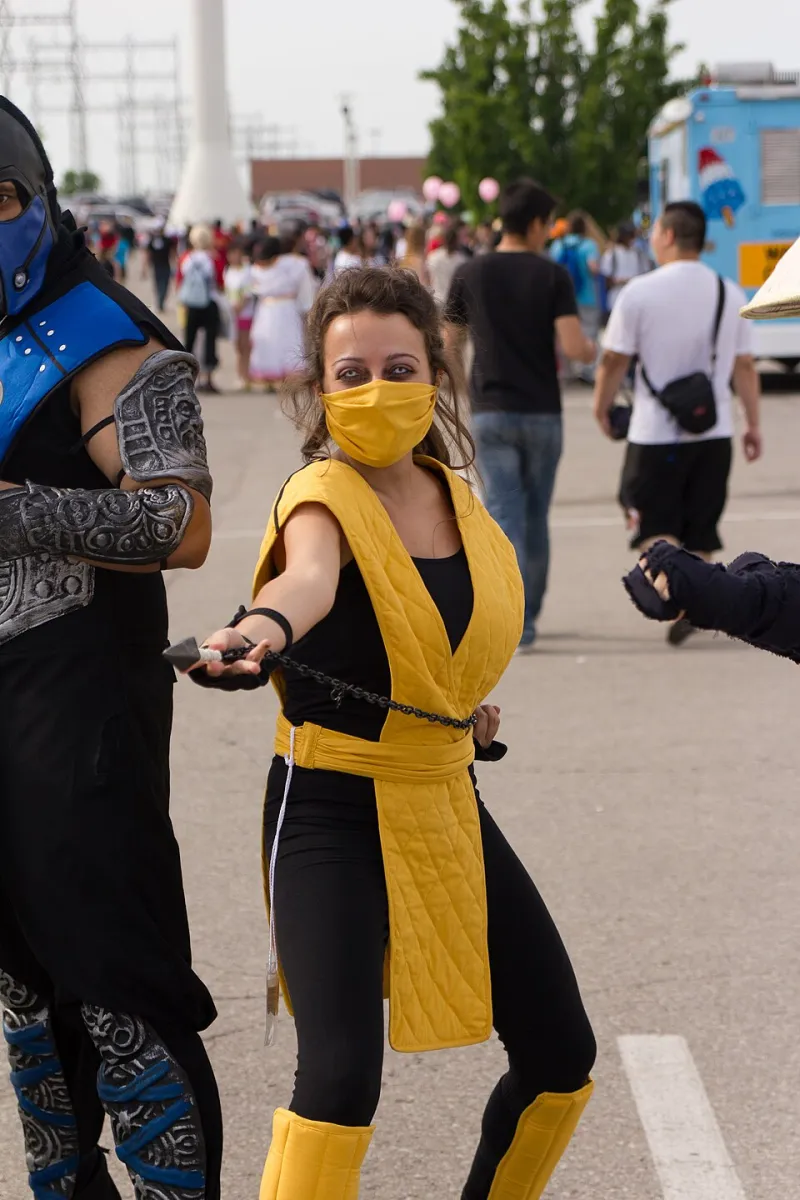
Photo: Tabercil, CC BY-SA 2.0, via Wikimedia Commons
If you've spent any real time with shonen anime, you know the formula for male friendship almost by heart. Two rivals clash. They push each other past their limits. One of them nearly dies. The other screams their name into the sky. They come out the other side with a bond that could crack mountains. It's earnest, it's intense, and honestly? It works.
Now think about the female characters in those same shows. Can you name a moment where two of them had that kind of dynamic? A rivalry that grew into something real? A friendship that got its own emotional arc, its own turning point, its own "screaming into the sky" moment?
For most people, that list gets short fast.
This isn't a minor nitpick. It's a pattern that runs through some of the biggest titles in the genre — and it's worth talking about seriously.
The Crew Dynamic Gap
Let's be specific. My Hero Academia is a show with an enormous cast of compelling characters. The male friendships — Izuku and Bakugo, Izuku and Todoroki, even the quieter bond between Kirishima and Bakugo — are given room to breathe. They have conflict, history, and real emotional payoff.
Ochaco Uraraka, one of the most prominent female characters in the series, is primarily defined by her feelings for Izuku and her personal growth as a hero. Her friendship with other female classmates like Tsuyu Asui exists, and it's genuinely sweet — but it rarely drives plot or gets the same depth of development. Tsuyu, one of the most fan-beloved characters in the entire show, is more often a supportive presence in other people's arcs than the center of her own meaningful relationship dynamic.
Demon Slayer has a similar issue. Nezuko is central to the story, but her relationships outside of Tanjiro are thin by design — she barely speaks for most of the series. The female Hashira get moments, but they don't meaningfully connect with each other in ways the story explores.
This isn't about whether these characters are "strong" or "well-written" in isolation. It's about whether the show invests in their relationships with each other the same way it invests in the boys' bonds.
It mostly doesn't.
Why Does This Keep Happening?
The answer isn't simple, and it's worth avoiding the easy take that the genre is just carelessly sexist. The reality is more structural.
Shonen manga is still largely written by and originally marketed toward young male readers, and the emotional template it uses — rivalry, brotherhood, the power of bonds forged through struggle — is one that historically centers male protagonists and their male relationships. Female characters are often written into supporting roles that serve those central dynamics rather than generating their own.
There's also a commercial dimension. Studios and publishers track what resonates with audiences, and for a long time, the conventional wisdom was that male friendship arcs drove engagement more than female ones. That calculus is starting to shift — but slowly.
Yasuhiro Nightow, Eiichiro Oda, Kohei Horikoshi — these are talented creators working within a genre with deeply embedded conventions. Breaking those conventions requires intentionality, and not every creator is thinking about the gap in the same way fans are.
The Shows That Actually Got It Right
This isn't universal, and it's worth celebrating the exceptions.
Sailor Moon — technically shojo, but foundational enough to the broader conversation — built its entire emotional architecture around female friendship. The bonds between Usagi and her Sailor Scouts aren't decorative. They're the whole point. Betrayal, loyalty, sacrifice, and joy all run through those relationships in ways that hold up decades later.
Madoka Magica does something darker but equally committed: it takes female friendship and systematically tears it apart to examine what it costs. The relationship between Madoka and Homura is as emotionally loaded as anything in shonen — arguably more so, because the show refuses to let it be simple.
More recently, Yuri on Ice (sports anime adjacent) and A Silent Voice (film) both demonstrate that when creators choose to invest in nuanced female dynamics, audiences respond.
Even within shonen, there are bright spots. Fullmetal Alchemist: Brotherhood gives Winry Rockbell genuine relationships with other women that feel real rather than functional. Jujutsu Kaisen has shown some promise with Nobara Kugisaki — her dynamic with Yuji had genuine spark before the story took a certain turn — though the series has yet to build meaningful bonds between its female characters with each other.
How Fan Communities Are Filling the Gap
Here's where it gets interesting. Fans — particularly women and queer fans — have been writing the friendships the shows don't give them for decades.
On Archive of Our Own, fanfic centering female character friendships (often tagged "female friendship" or "femslash" depending on the dynamic) represents a massive creative output for shows like Naruto, Bleach, Haikyuu!!, and Attack on Titan. Sakura and Ino's friendship, which gets a handful of real moments in the source material, has been expanded into entire relationship epics in fan fiction. Mikasa and Historia from Attack on Titan have a fan-created friendship dynamic that the show barely scratched.
Fan art tells the same story. Browse any major anime fan art community on Twitter/X or Tumblr and you'll find beautifully rendered pieces imagining what female characters' friendships might look like if the source material actually leaned in. These aren't just shipping posts — they're filling a genuine emotional need that the shows aren't meeting.
In Discord servers and Reddit communities, fans regularly discuss these dynamics with the same seriousness and passion they bring to power scaling debates or animation quality threads. The appetite is clearly there.
What Needs to Change
The conversation is shifting. New-generation shonen creators are growing up with a broader awareness of these critiques, and some are responding to it. The question is whether that awareness translates into actual narrative investment — not just adding more female characters, but giving them relationships with each other that carry real weight.
For fans watching right now: keep talking about it. The loudest signal the industry gets about what matters is what the community engages with, argues about, and creates around. When fans celebrate the moments that get it right and clearly name the ones that don't, that feedback loop matters.
And in the meantime? The fan fiction is out there. The fan art is out there. The communities building the girl squads the shows forgot to write — those are out there too.
Sometimes the best version of the story gets written by the fans who loved it enough to fix it.