Same Character, Different Energy: When Loving the Same Anime Figure Turns Into Something Weird
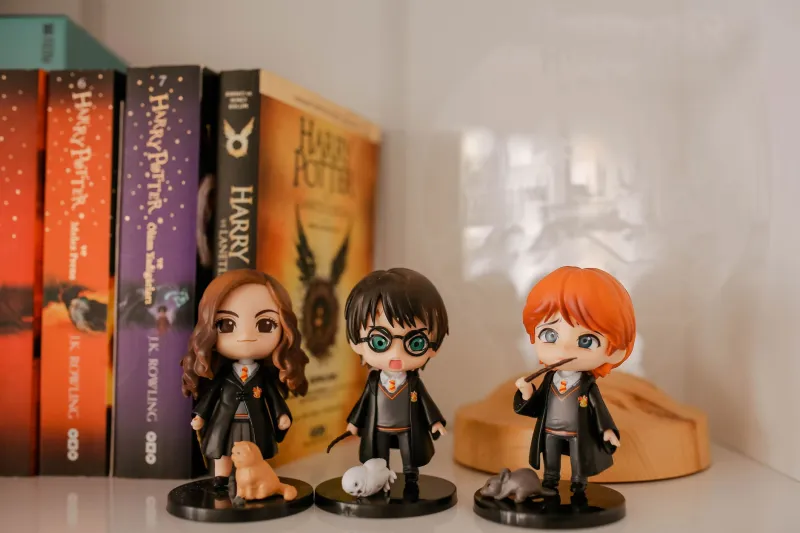
It starts innocently enough. You and your friend both love the same character. You have the same fan art saved. You both screenshotted the same scene and sent it to each other at the exact same time. The shared obsession is half the reason your friendship works as well as it does.
Then a limited edition figure drops.
And suddenly, for the first time, you're not on the same team.
The Moment Fandom Becomes Competition
Anime merchandise — especially the high-end stuff, the scale figures, the exclusive convention releases, the lottery items that only ship to Japan — operates on scarcity. And scarcity does something specific to people who care about things deeply. It converts passion into competition almost without you noticing.
The shift is subtle at first. You're both monitoring the same release date. You're both in the same Discord servers tracking restock rumors. You're both refreshing the same import sites at 2am because the time zone math is brutal. Up until the moment one of you gets the confirmation email and the other doesn't, you're still on the same side.
But then the email arrives in one inbox and not the other, and something changes. Not dramatically. Not in a way that gets named out loud. Just — something.
What Nobody Admits Out Loud
The jealousy that comes with merch competition inside a friend group is genuinely strange because it feels illegitimate. You're supposed to be happy for your friend. They love this character too. They deserve the figure as much as you do — maybe more, because they got there first, or they were more prepared, or they just got luckier in a lottery system that doesn't care about your feelings.
But knowing all of that doesn't make the feeling go away. It just makes you feel guilty on top of it.
There's also a weird layer of ownership that anime fandom culture quietly encourages. The idea of a character being "yours" — your main, your comfort character, the one you've identified with since episode three — is a real psychological attachment. When someone else in your crew claims the same character with equal or greater intensity, it creates a strange kind of friction that doesn't have a clean name.
Fandom culture in the US has a term for this — "doubles" — and the community has mixed, often heated feelings about it. Some people are completely comfortable with the idea of multiple fans claiming the same character. Others find it genuinely destabilizing. When the person with different feelings is someone in your actual friend group, that theoretical debate becomes very concrete very fast.
How Capitalism Quietly Infiltrates the Group Chat
Limited edition merchandise isn't just expensive — it's engineered to feel like a test of devotion. The more exclusive the item, the more owning it feels like proof of something. Proof that you're a real fan. Proof that you cared enough, planned enough, wanted it enough.
Anime figure manufacturers, especially the Japanese import market, understand this deeply. Lottery exclusives, convention-only releases, collab items with tiny production runs — these aren't just business decisions. They're fandom psychology in product form. The scarcity is the point.
And inside a friend group, that manufactured scarcity creates manufactured hierarchy. The person with the figure has something the person without it doesn't — and in a culture where merch is often a physical expression of identity and belonging, that gap can feel larger than it should.
The group chat dynamic shifts around it too. Photos of the unboxing. The display shelf reveal. The casual mention of the figure in conversation. None of it is malicious. All of it lands a little differently when you're the one who didn't get it.
The Guilt Side of the Equation
Here's a perspective that gets less airtime: the person who got the merch often feels weird about it too.
If you know your friend wanted the same figure, showing it off comes with a complicated emotional tax. You want to share your excitement — that's a normal human impulse — but you're also aware that your win came at the cost of someone else's disappointment, and that someone is someone you care about.
Some people overcorrect and don't mention it at all, which creates its own awkwardness. Others lean into the excitement and then feel guilty afterward. The whole thing is messier than the joyful unboxing video suggests.
When It Actually Breaks Things
Most of the time, merch tension stays low-grade — an undercurrent rather than a rupture. But there are real cases where it goes further.
Resale culture makes it worse. When someone in your crew buys a limited figure and then flips it for profit, especially one that another crew member genuinely wanted, that's a different kind of betrayal. It's not about love of the character anymore — it's about money, which is a fundamentally different conversation and one that friend groups often aren't equipped to have cleanly.
Competitive collecting that extends across years can also quietly reshape a friendship's power dynamic. If one person consistently has more disposable income for merch, or more time to track releases, or more connections in import communities, the collection gap becomes a proxy for other gaps. That's when the hobby starts doing real relational damage.
Keeping the Shared Love Actually Shared
None of this means anime merch culture is bad or that collecting is inherently toxic. For most fans, it's one of the most tangible ways to express a connection to something that genuinely matters to them. The figures on your shelf are a visual diary of what moved you and when.
But it's worth building some intentionality into how your crew navigates it. Talking openly about what you're both going after before a release drops — not to claim territory but to be honest about feelings — can head off a lot of the silent weirdness. Celebrating each other's gets without performing enthusiasm you don't feel is also a skill worth developing.
And maybe the most important thing: remembering that the reason you both love the same character is the foundation, not the figure. The merch is just stuff. The fact that you both saw the same thing in the same fictional person and felt something real about it — that's the actual connection.
The shelf can hold two fans. It always could.